COMPOSITES

Build and Innovate

Composite materials have reshaped how we design, build, and optimize high-performance components. At BlueVision, expertise in fiberglass, advanced resin systems, and precision layup techniques allows for structures that are lighter, stronger, and more durable than traditional materials.

What we offer:

  • Material selection: Choose fibers (E-glass, S-glass, mats and cloth, carbon, kevlar, innegra, flax and basalt) and core materials (PVC foam, balsa, coosa, honeycomb, etc) to balance stiffness, flex, strength, weight, and cost for the intended application.

  • Resin chemistry: Match polyester, vinyl ester, or epoxy resins to performance needs.

  • Fiber architecture: Specific directional fiber for load paths, strenghts, flex and control.

  • Layup strategy: Optimize ply orientation, stacking sequence, and core-skin transitions to handle bending, shear, and impact loads. Minimizing voids.

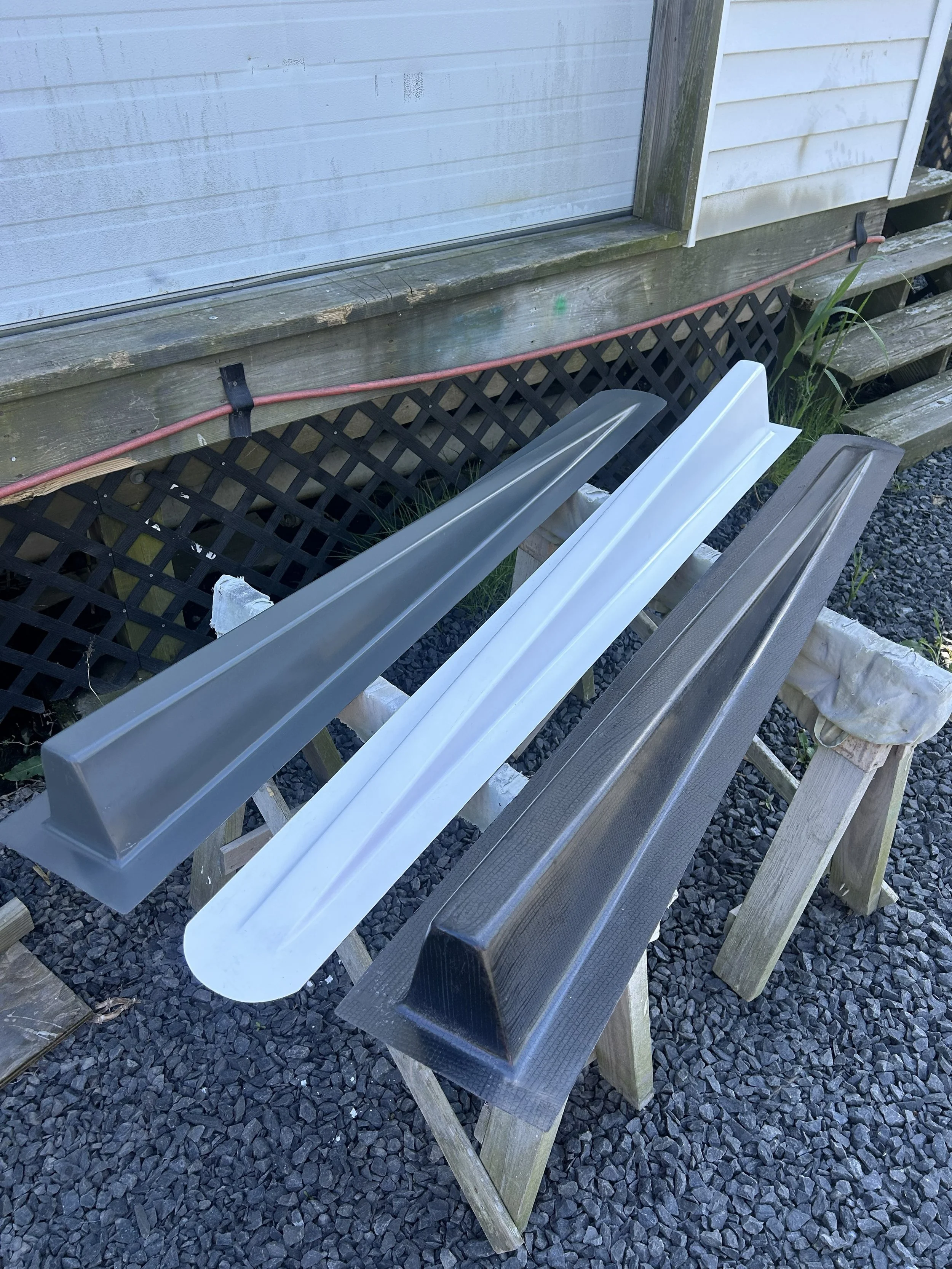
  • Tooling and molds: Precision molds and matched-die tooling improve surface finish and dimensional accuracy. Release systems and mold maintenance are critical for repeatability.

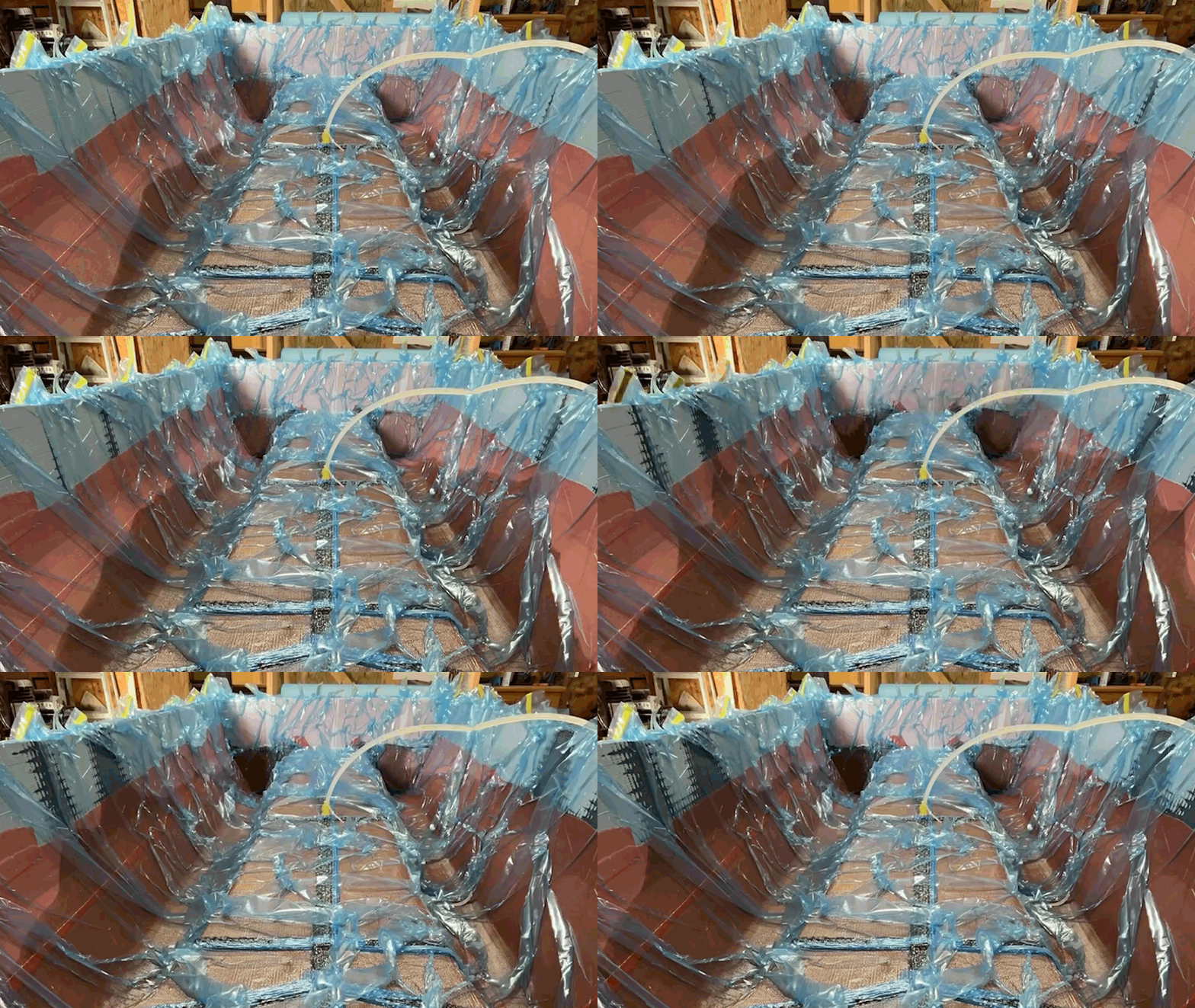
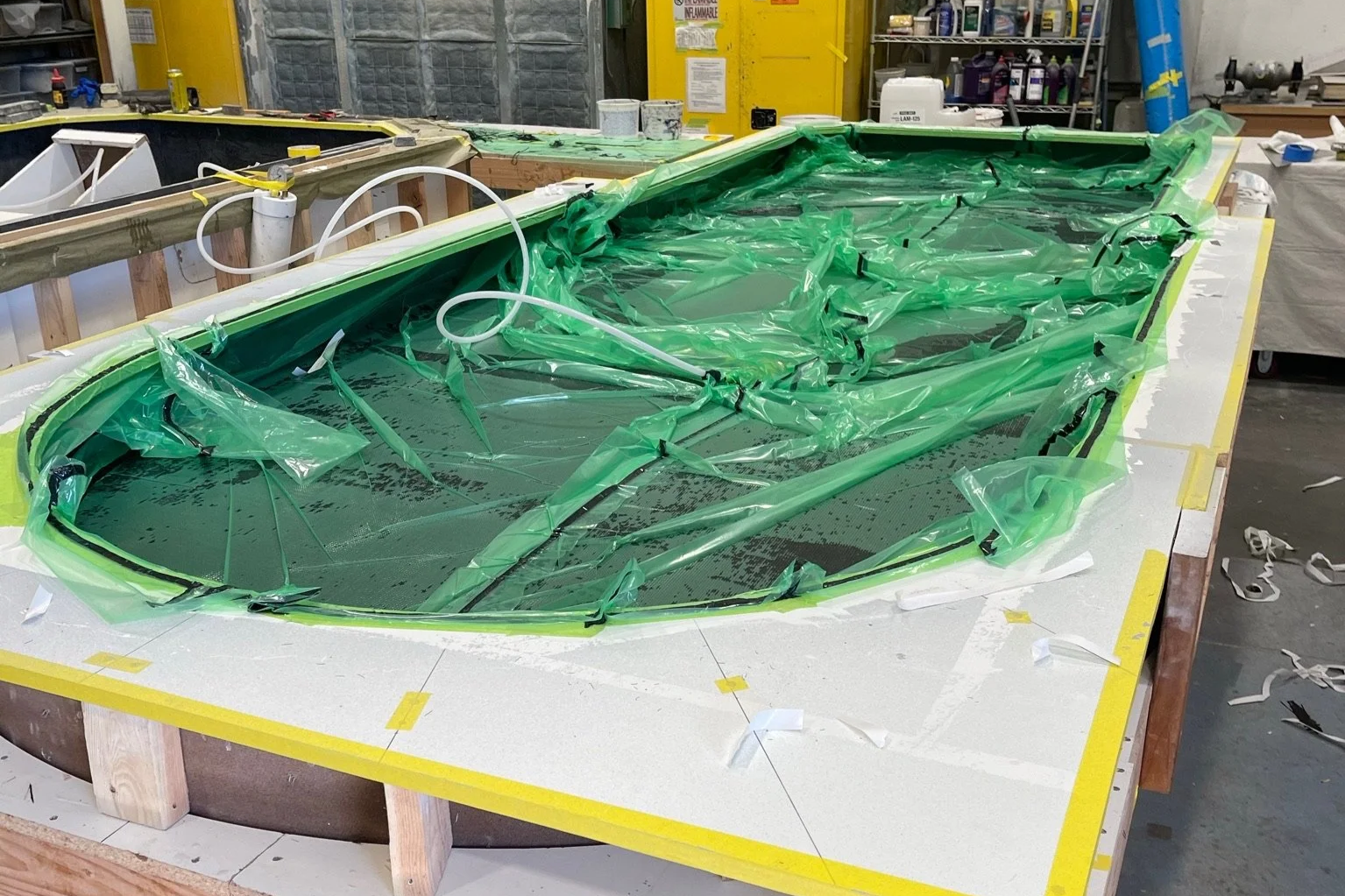
  • Process: Vacuum bagging, vacuum infusion, and prepreg increase fiber volume fraction and reduce void content compared with hand layup, improving mechanical performance and consistency.
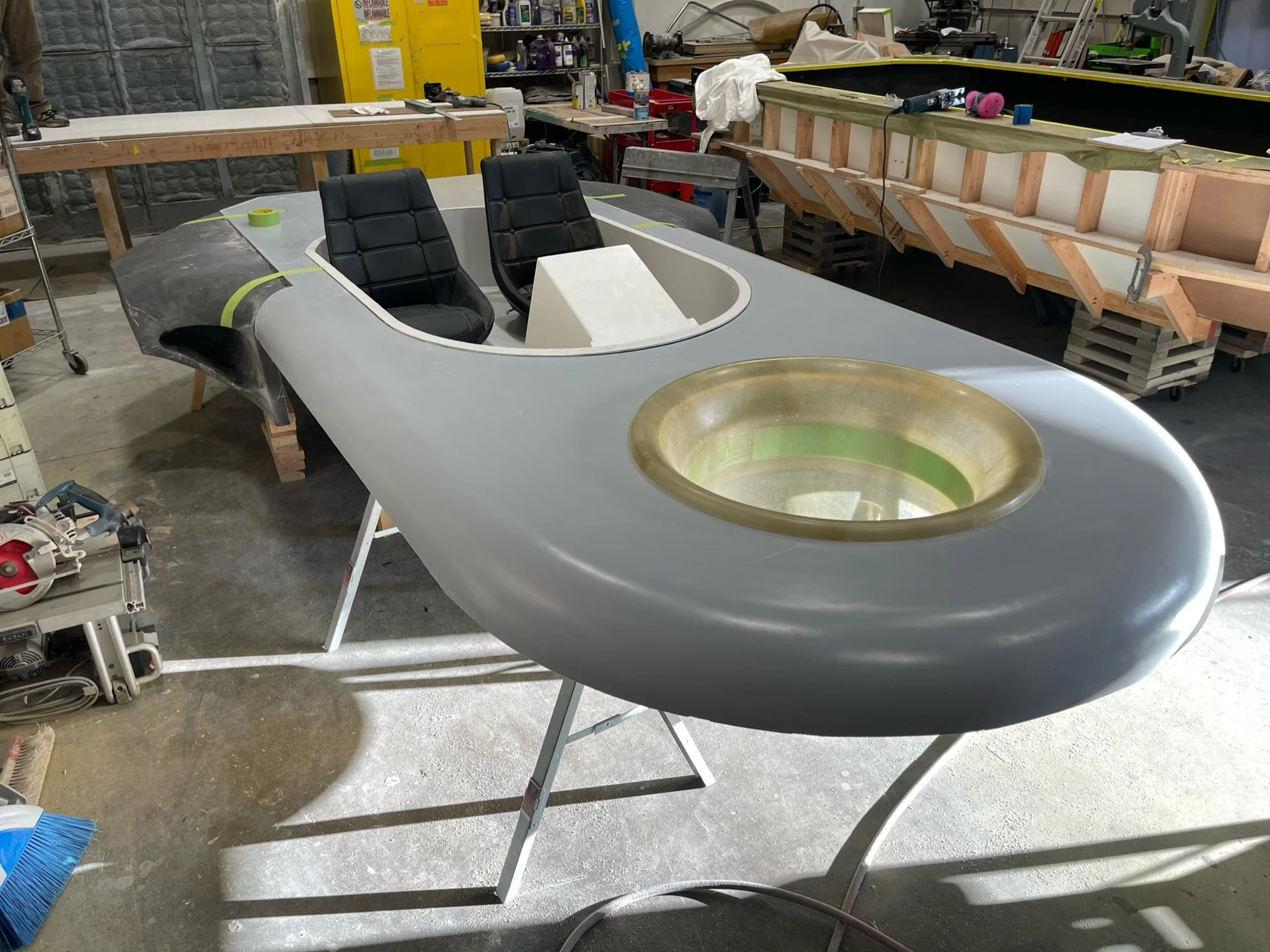
A workshop with a hovercraft under construction, black chairs, tools, shelves, and workbenches.
A mold for a hovercraft being constructed in a workshop, with green plastic covering and masking tape around the edges, surrounded by tools and materials.

Tooling: Molds and plugs

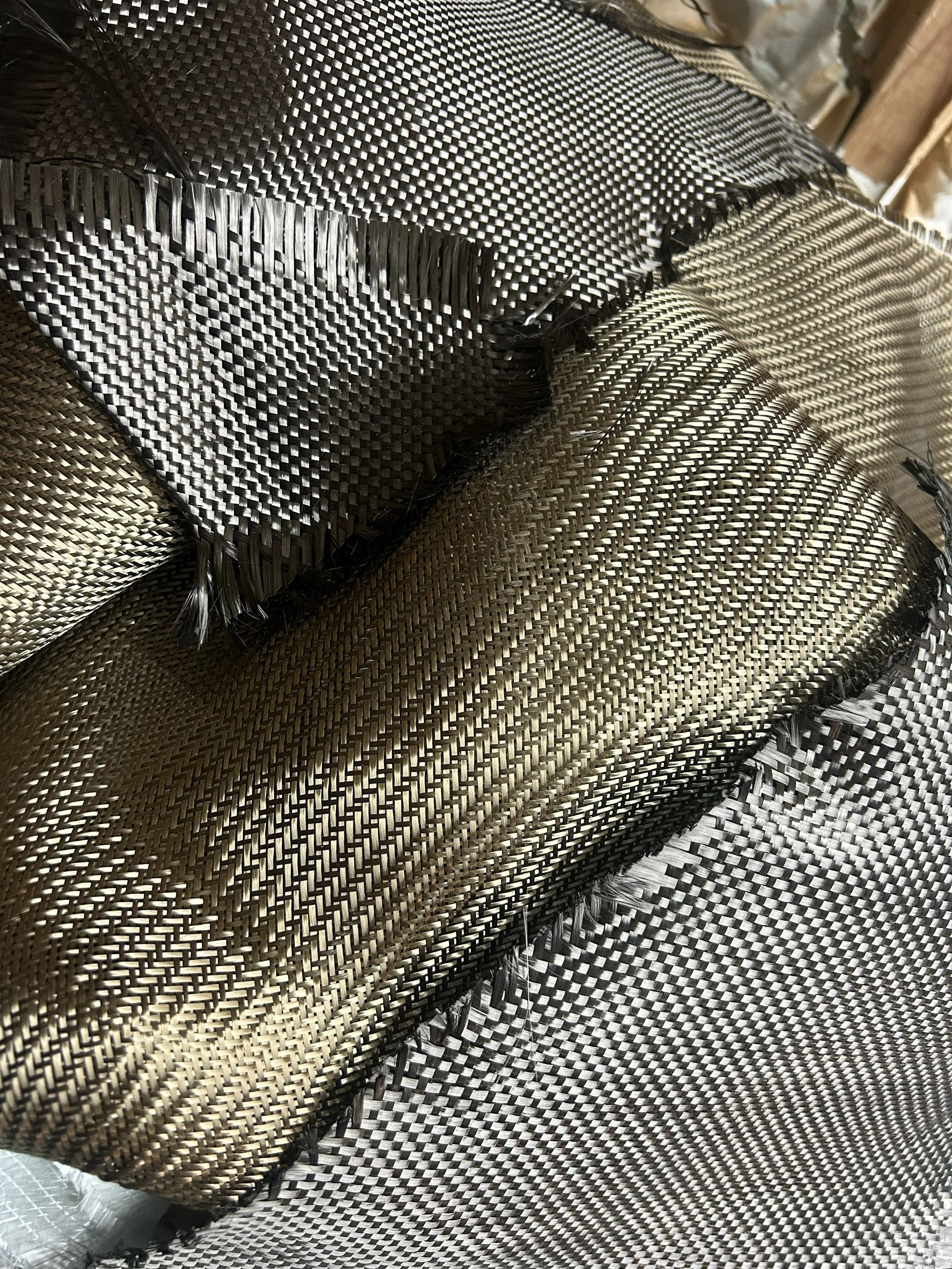
TRaditional to Advanced Materials: Carbon, Basalt, Flax, S-Glass, HYbrids
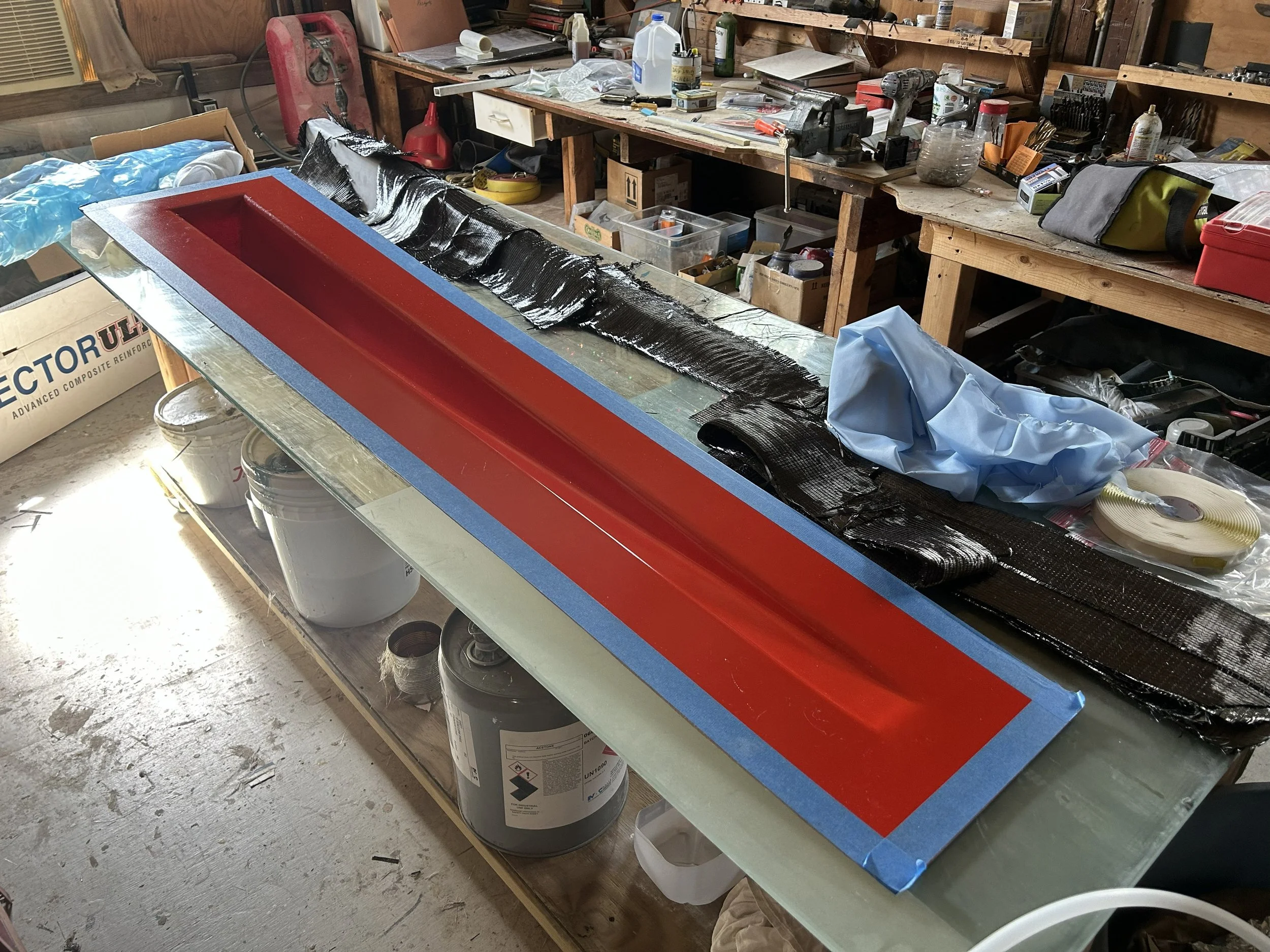
A cluttered woodworking or workshop space with a workbench filled with tools, supplies, and equipment. There is a long, rectangular object made for composite tooling- to be used as a mold for vacuum bagging and vacuum infusion.
Carbon fiber composite boat equipment that has be manufactured with a vacuum infusion and bagging process.
Close-up of woven carbon fiber and basalt material, possibly part of a sports car or high-performance equipment, with metallic and black fibers interlaced.
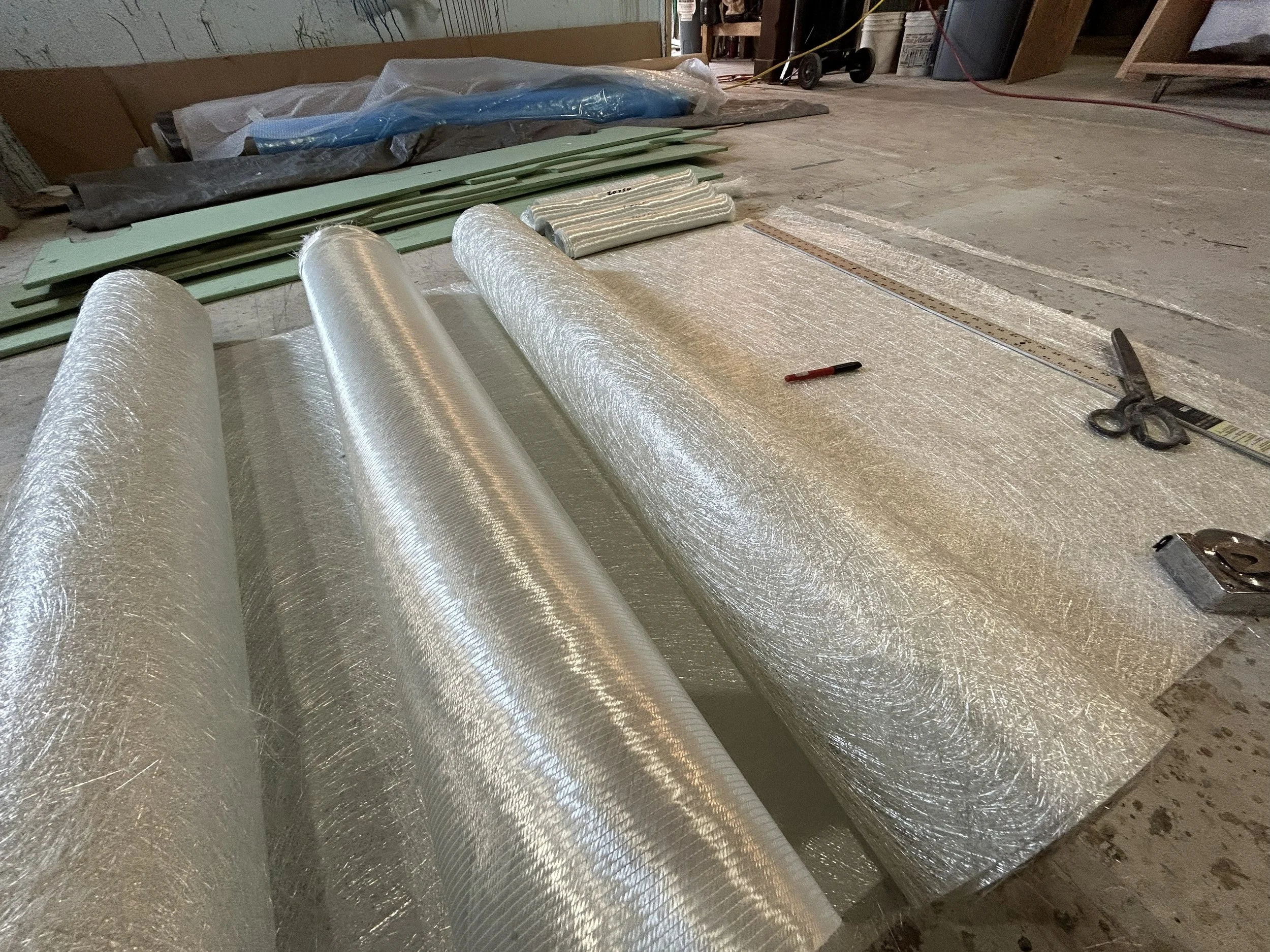
Construction materials including rolls of reflective insulation, green foam boards, and a measuring tape laid out on a wooden floor in a construction site. Fiberglass chopped strand matt and woven cloth.
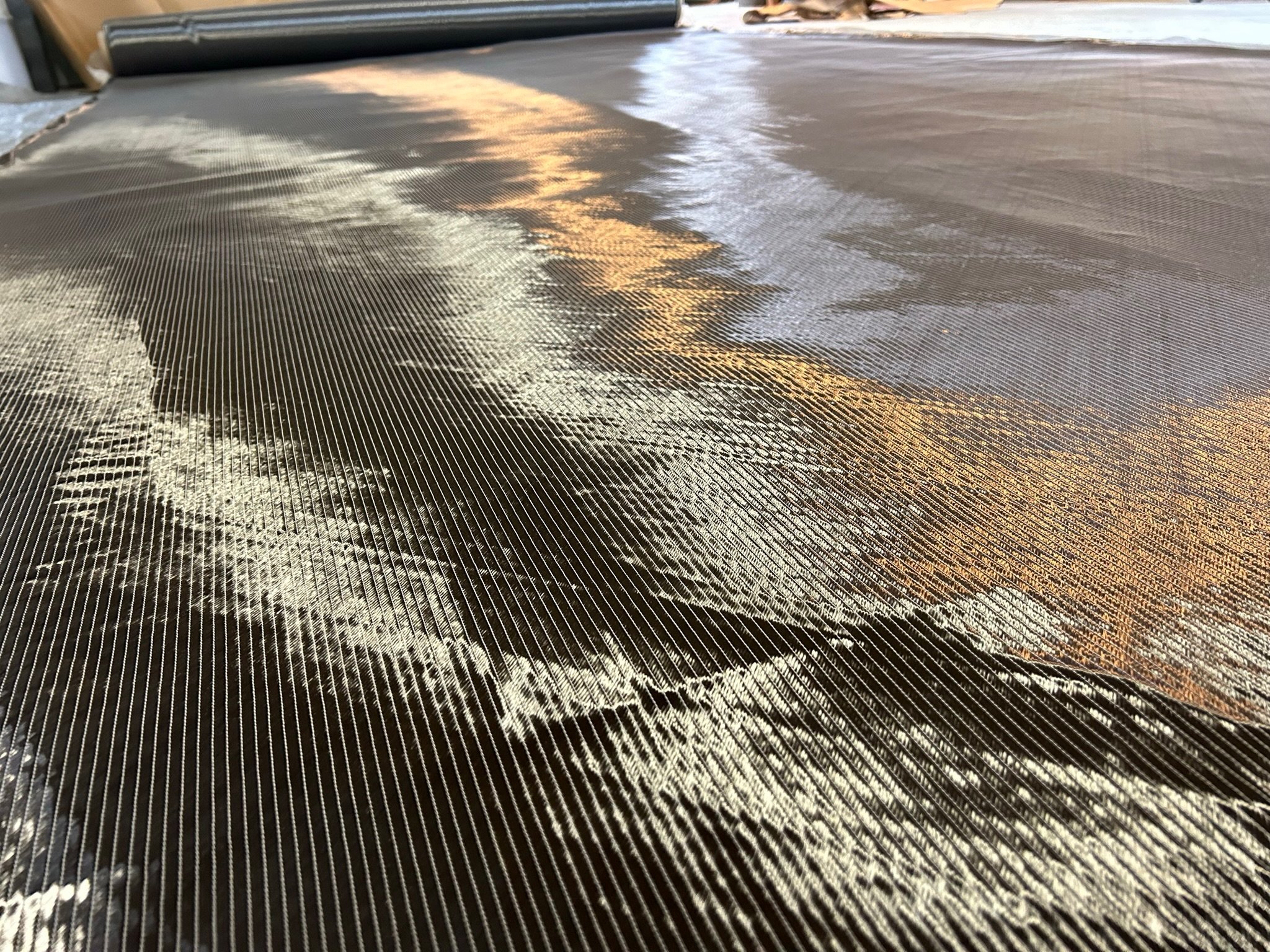
Close-up image of a carbon fiber used for marine and aerospace composites.
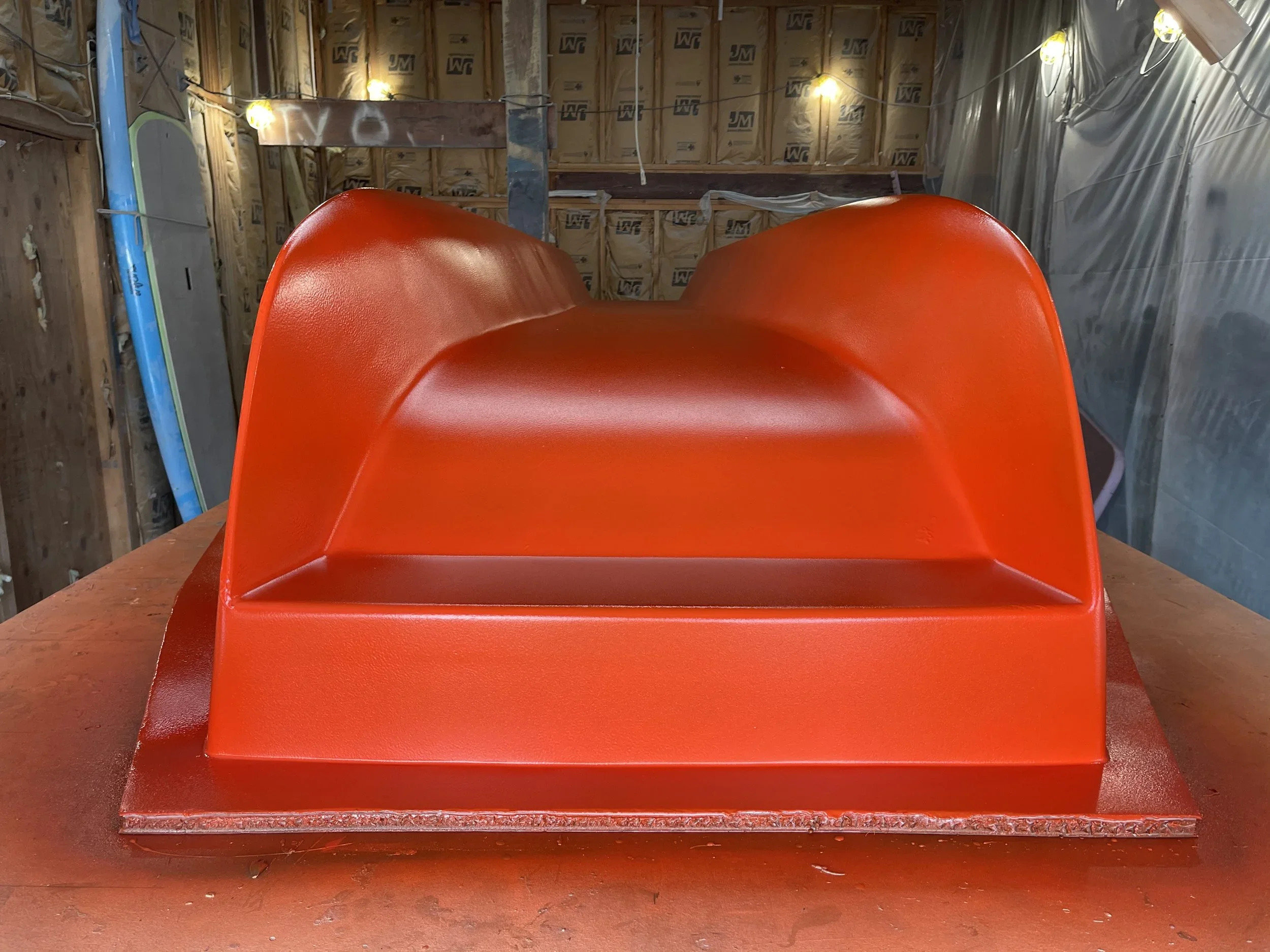
A catamaran dinghy boat mold being built off tooling plug in a partially constructed room with exposed insulation and framing, and a red plastic slide or scoop in the foreground placed on a wooden surface.
Vacuum Infusion for a lightweight, high strength carbon fiber catamaran boat tender or dinghy.

Infusion:

Light Weight /

High Strength
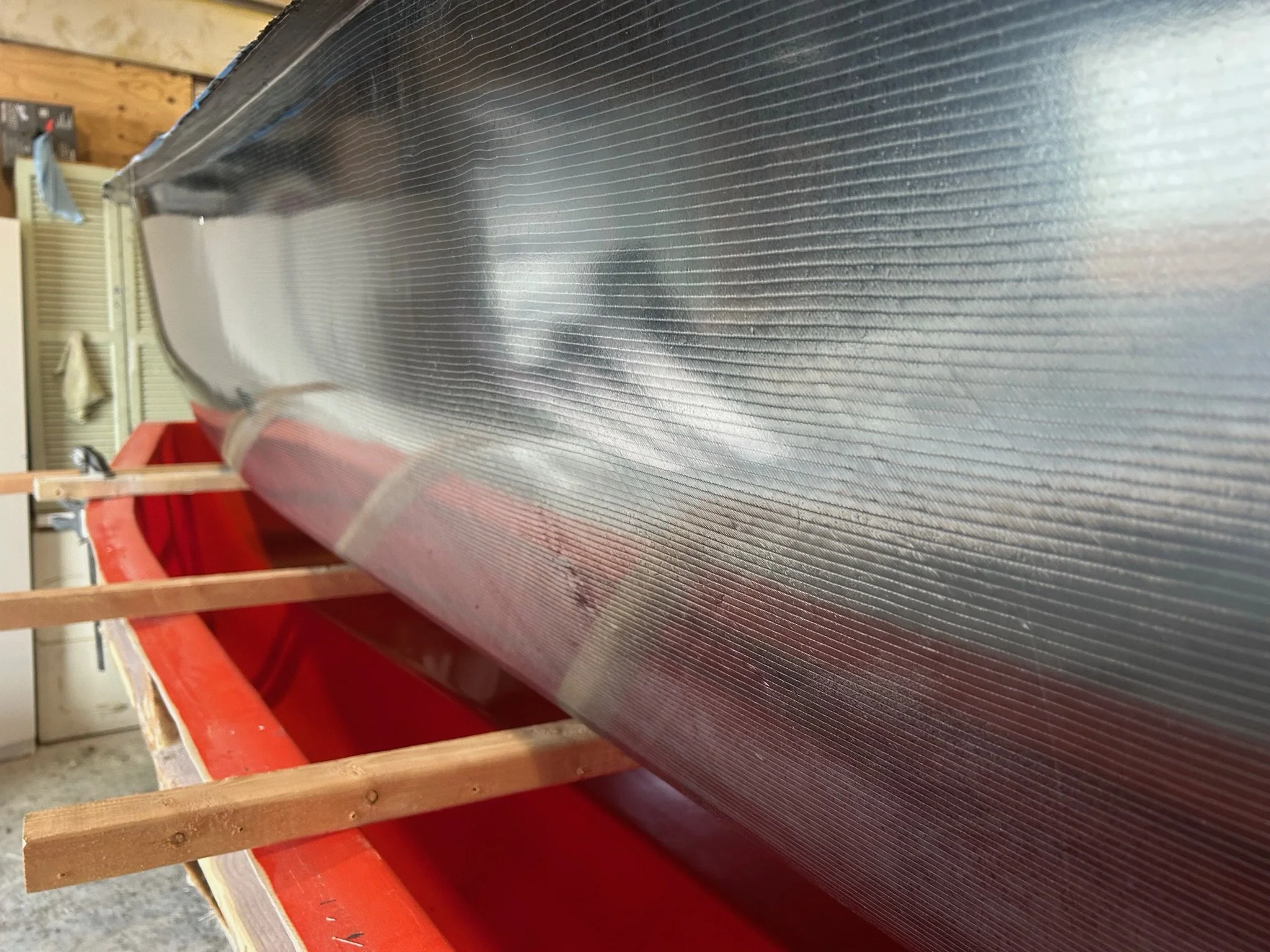
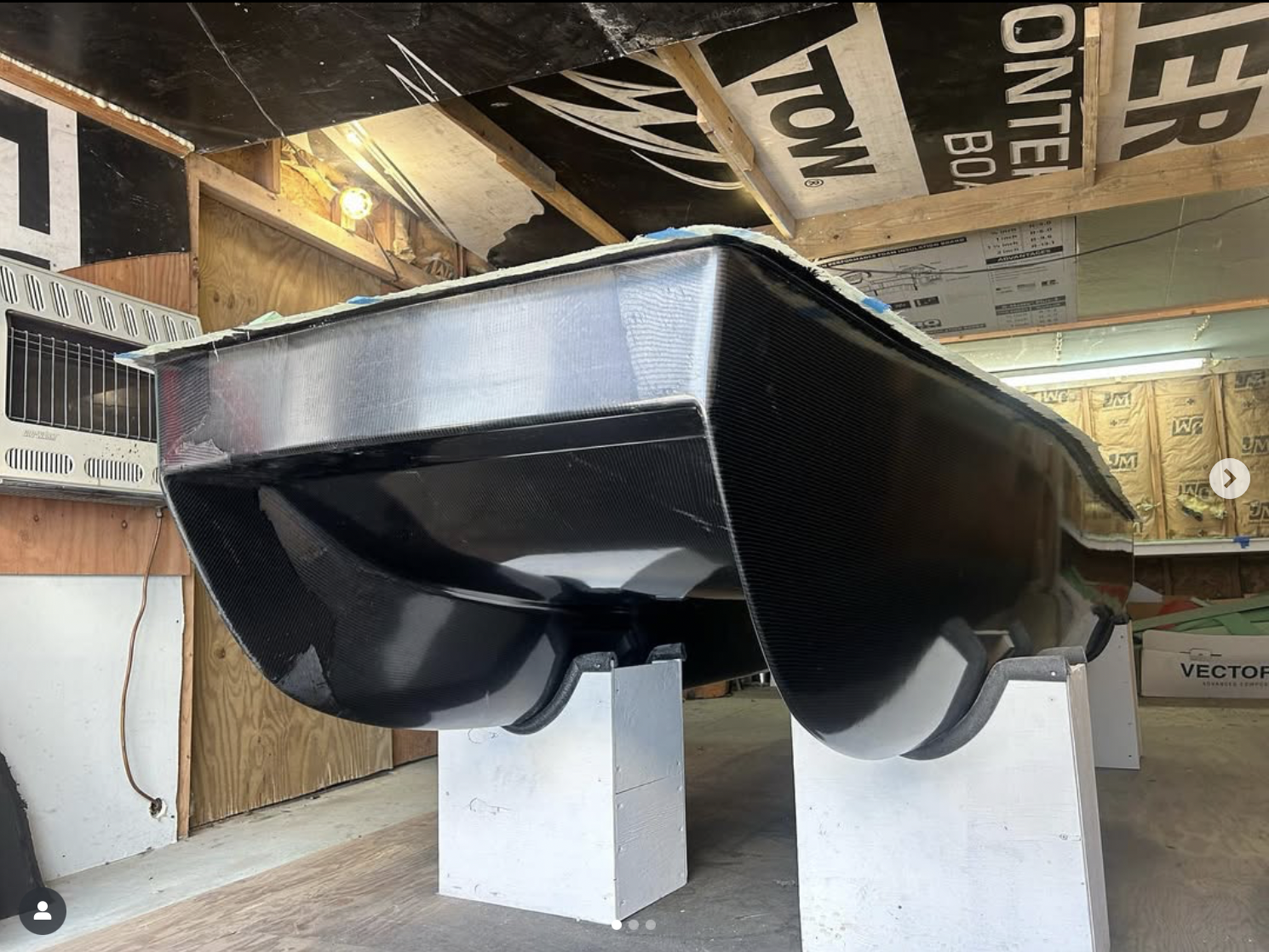
Close-up of a carbon fiber boat after vacuum infusion being pulled out of tooling mold.
Close-up of a black sports car with a carbon fiber body in a workshop. The car is elevated on white pedestals, with insulated walls and construction materials visible in the background.
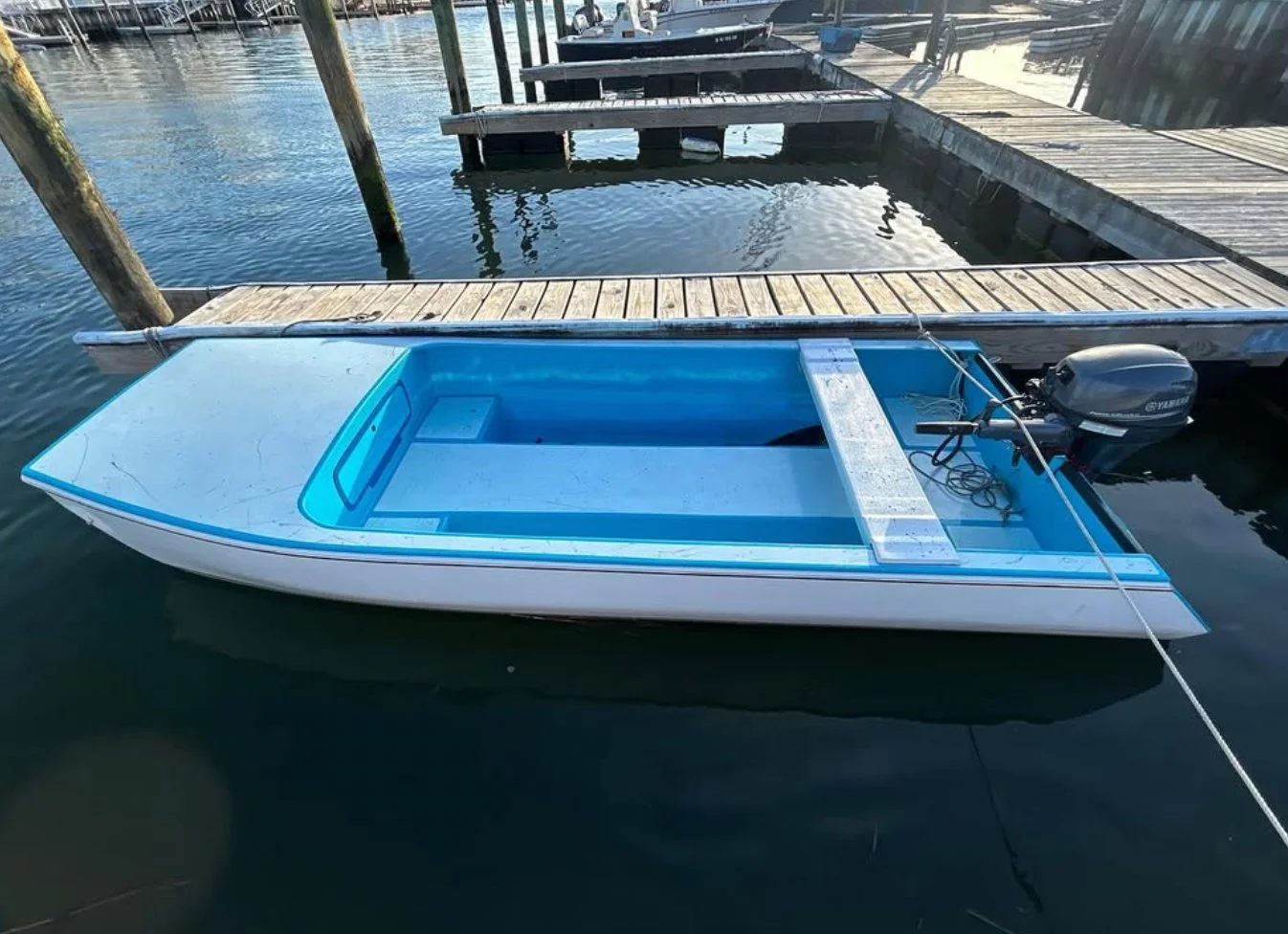
Small blue and white catamaran dinghy tender docked at a wooden pier on a calm body of water with other boats and docks in the background.

Marine coatings:

fOR THE TOUGHest Environment
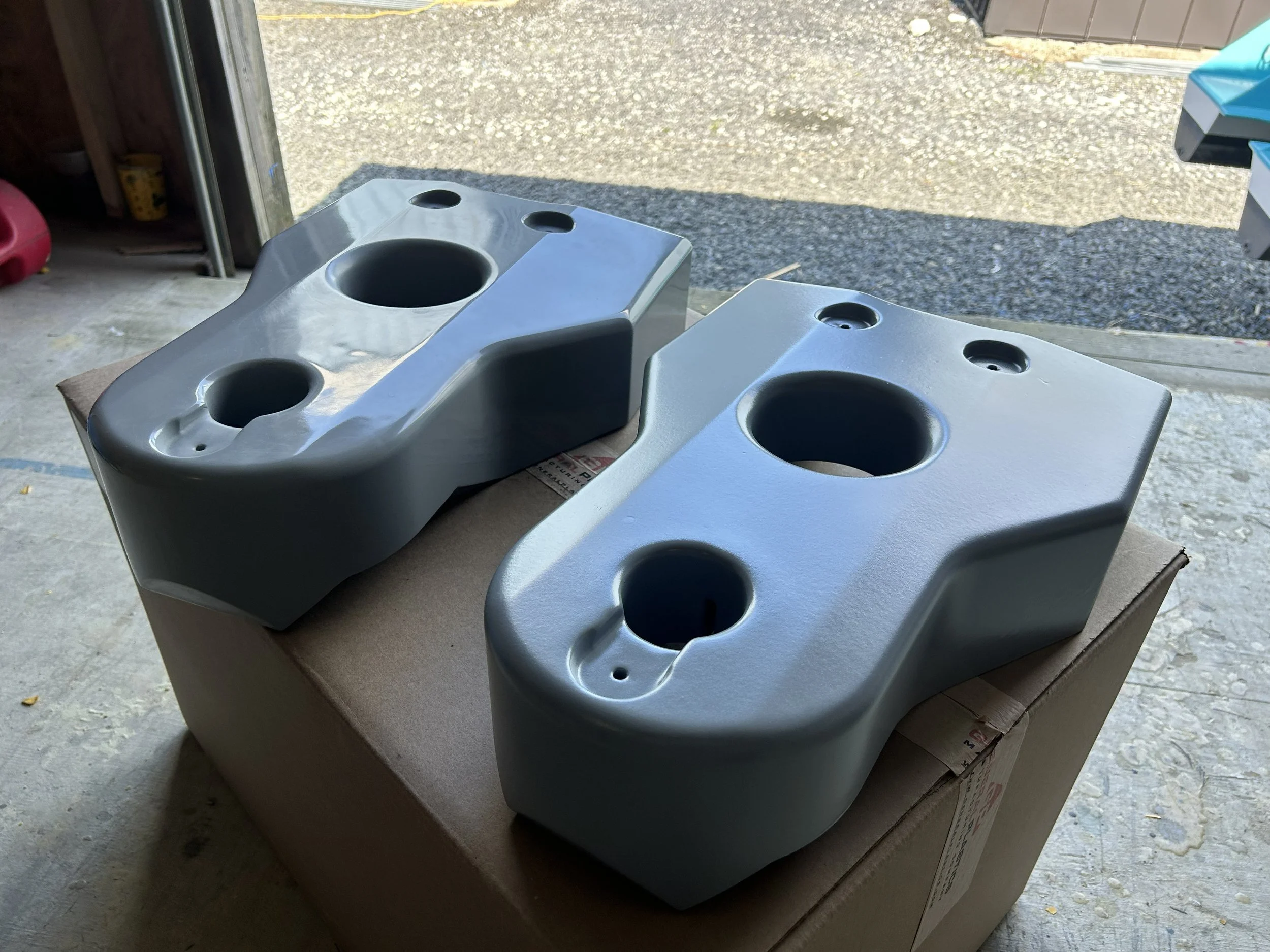
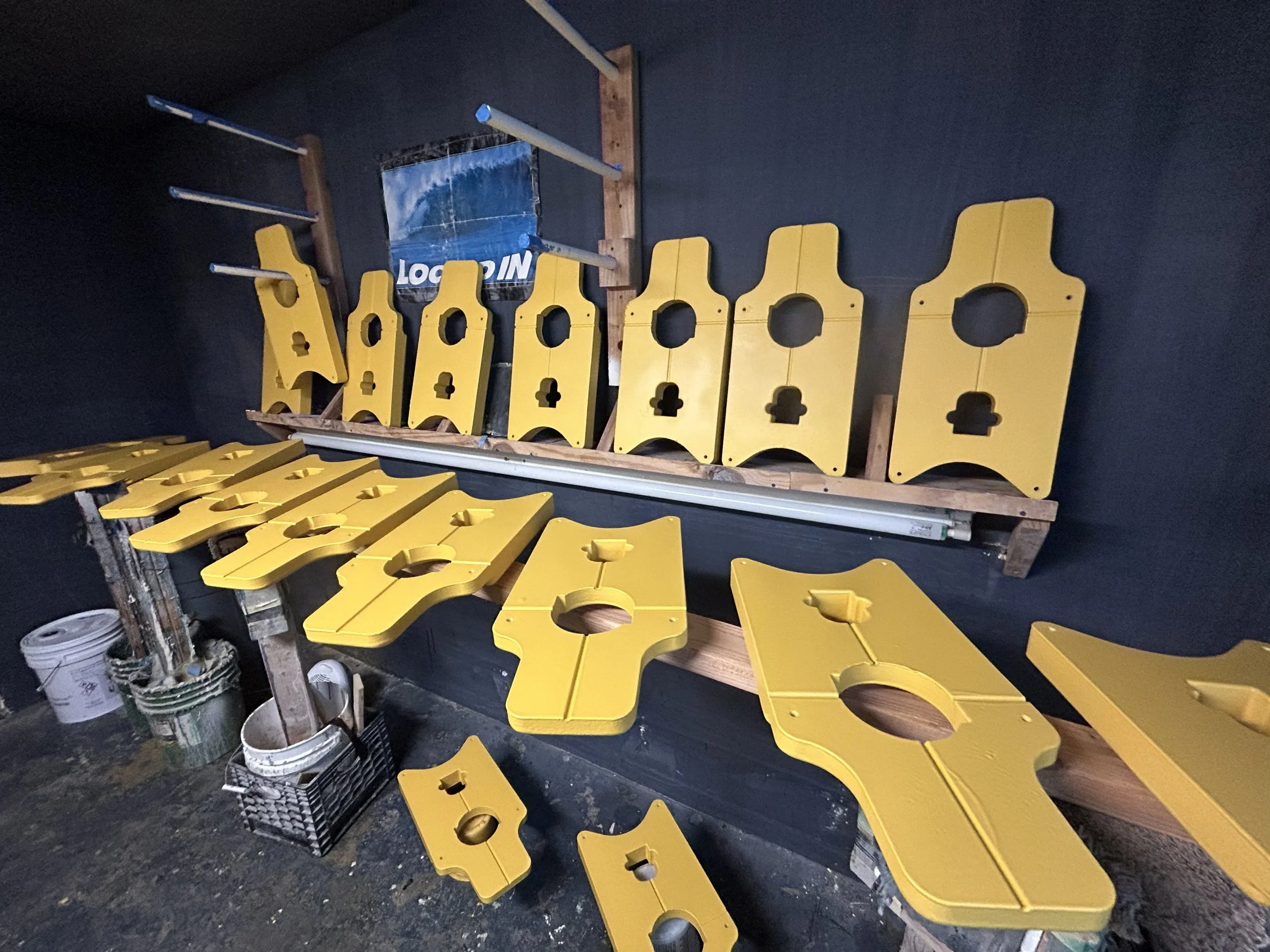
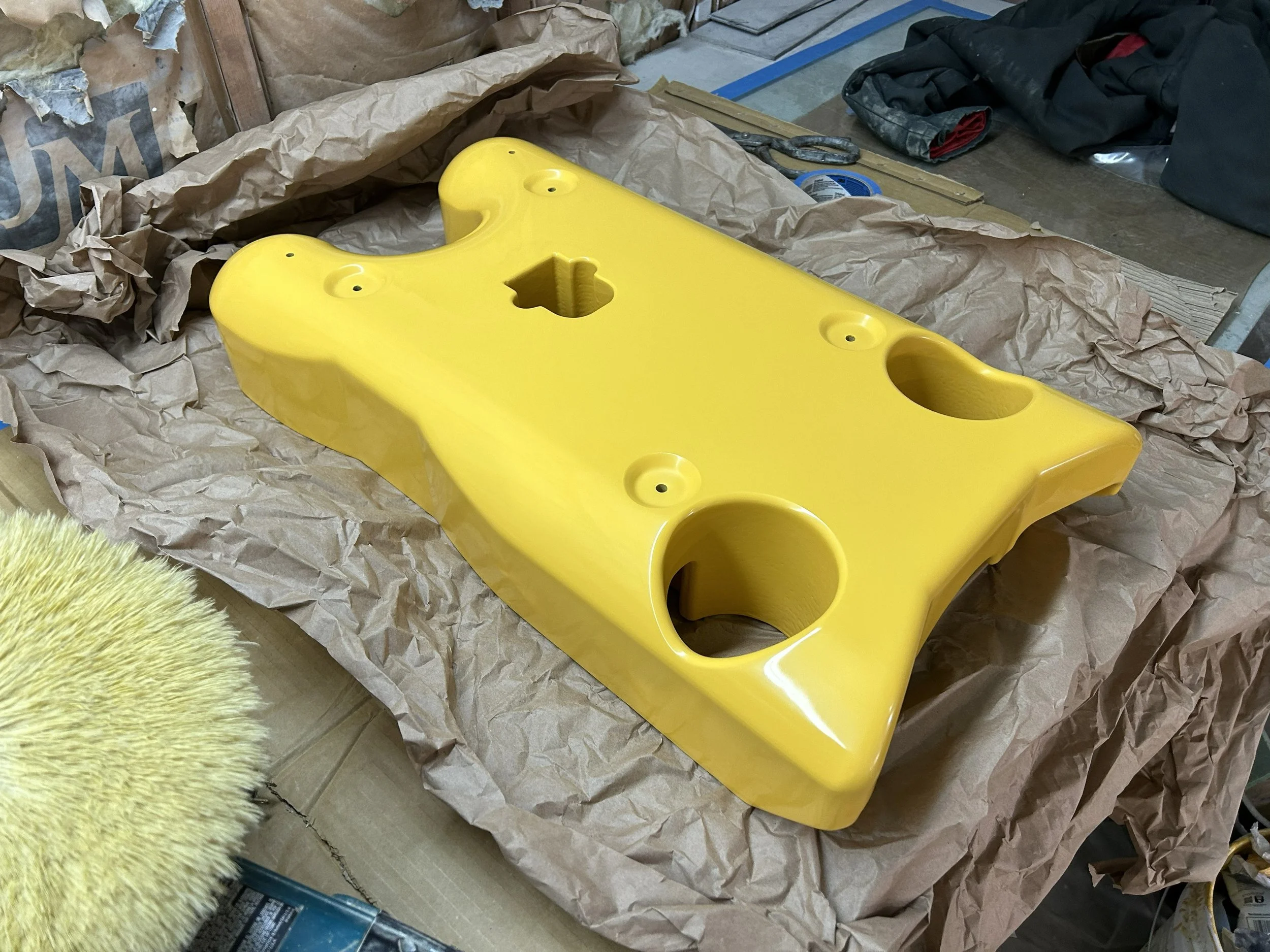
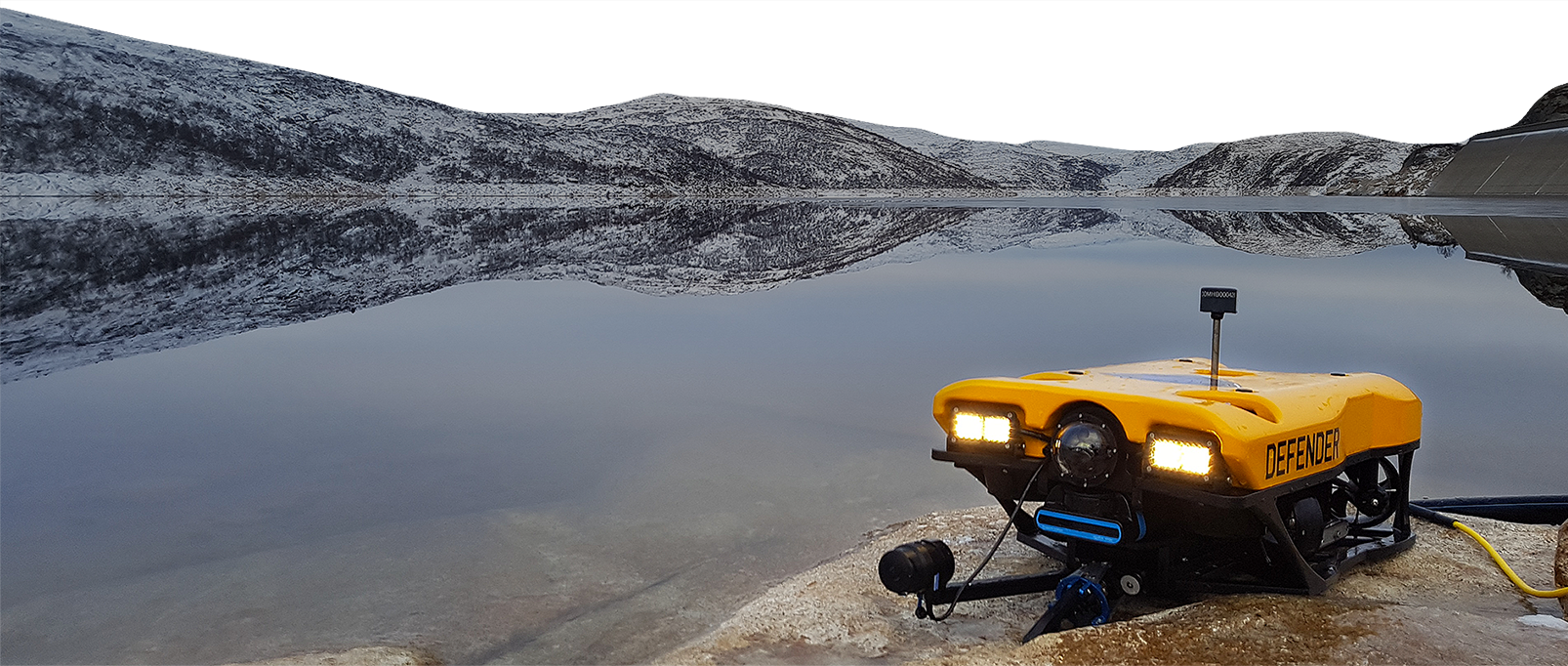
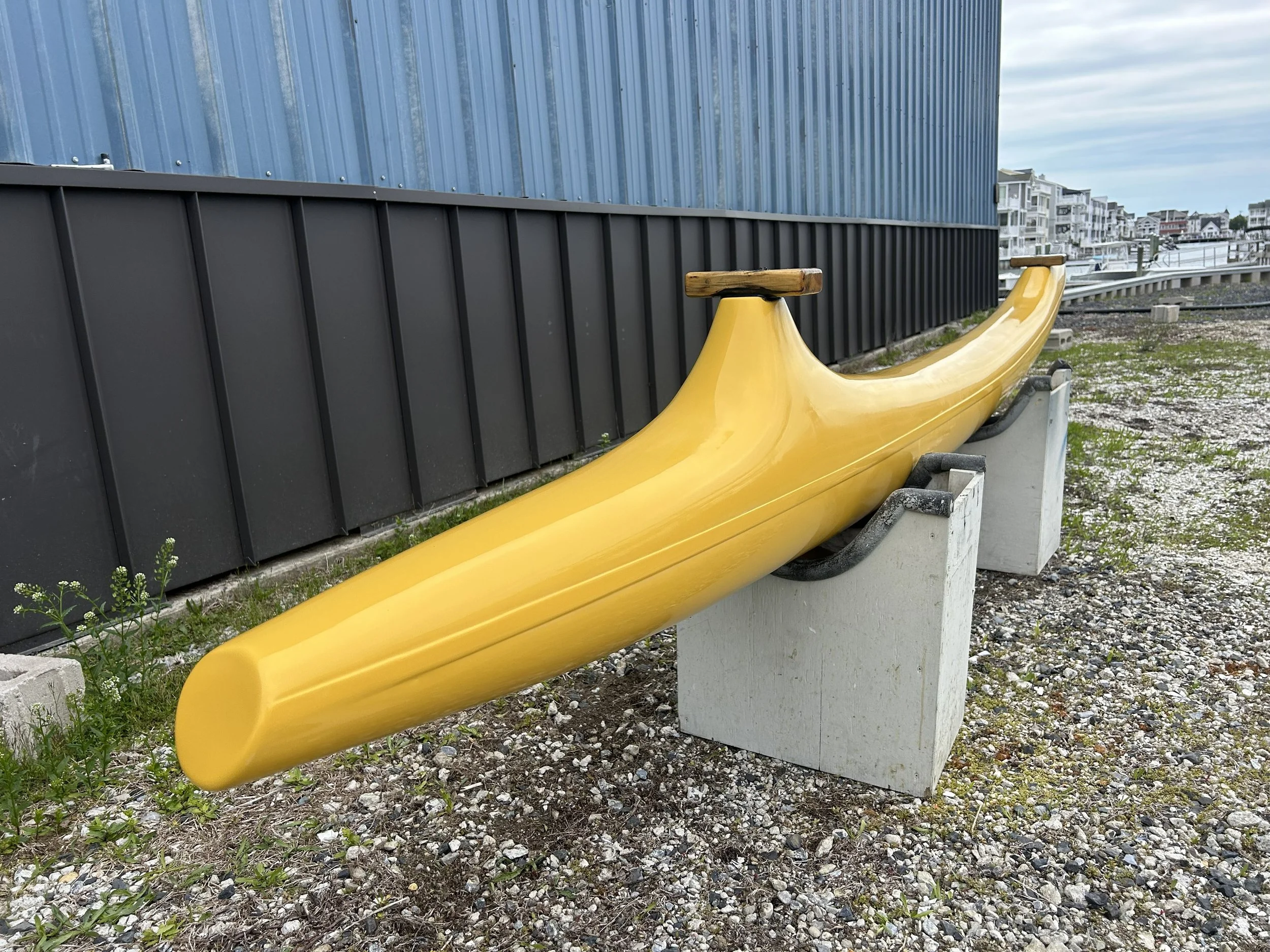
Two marine composite objects that were CNC manufactured and high end marine coatings applied for the toughest conditions.
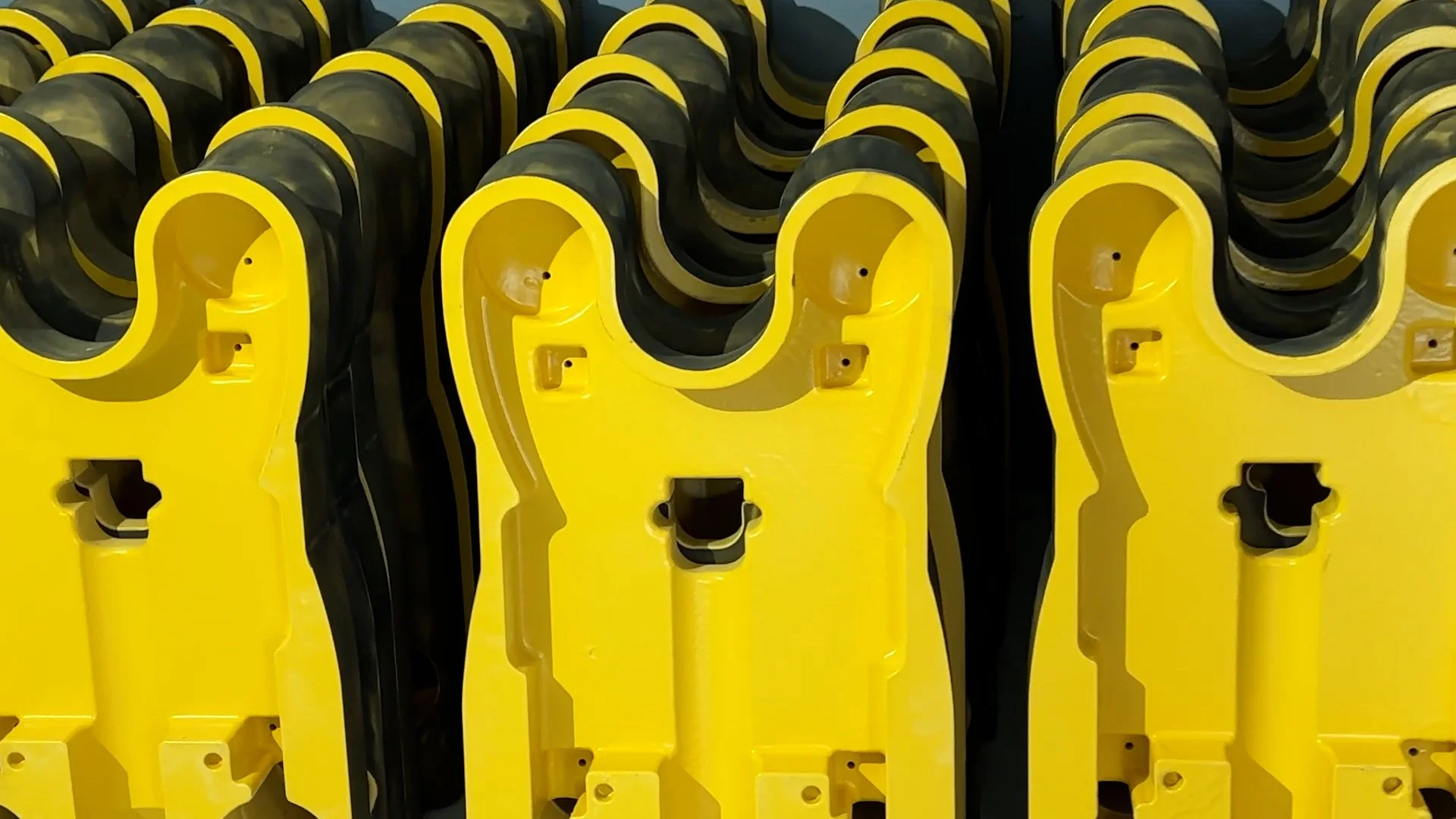
Yellow painted composite marine floats for underwater use.
A yellow plastic object with multiple circular openings and a keyhole-shaped opening in the center, placed on crumpled brown paper in a workshop or construction area, with various tools and supplies around.
Yellow boat hull used for canoeing positioned outdoors on a gravel surface next to a building with blue siding and a black metal wall. Fresh repaint of gelcoat and wax buff and polish .